
When the Body Speaks: Forensic Physiology under Section 176(2) of the CrPC
Learn how Section 176(2) of the CrPC empowers magistrates in Bangladesh to order exhumations and use forensic physiology to solve post-burial investigations.
Read Article →
Learn how Section 176(2) of the CrPC empowers magistrates in Bangladesh to order exhumations and use forensic physiology to solve post-burial investigations.
Read Article →
An in-depth analysis of the Code of Civil Procedure (Amendment) Ordinance, 2025. Discover the key reforms transforming civil litigation in Bangladesh, including mandatory affidavits, digital summons via WhatsApp, reduced adjournments, and stricter fines for false cases.
Read Article →
Abstract Harassment of men is a global issue, prevalent in Bangladesh where legal frameworks continue to perpetuate gender bias. Due to legislative gaps, men suffering mental and physical abuse—particularly regarding adultery and…
Read Article →
In Bangladesh, the Constitution begins with a striking assertion: “All powers in the Republic belong to the people.” Yet, that promise has aged poorly. The machinery of constitutional change is slow, dense, and sealed off from direct public influence, requiring a two-thirds vote in Parliament under Article 142. The public, whose will the Constitution claims to represent, has no formal say in reshaping it. This tension—between the people’s proclaimed ownership of the state and their actual exclusion—reached a breaking point in 2024. The Anti-Discrimination Student Movement (AdSM) quickly erupted into something larger. Protesters were no longer just demanding policy; they were calling for the Constitution itself to be dismantled and rewritten from the ground up. The question that exploded into public view was this: What does it mean for a people to be sovereign if they can’t touch their own Constitution? The protests, arguably a constituent moment, led to the Prime Minister stepping down, Parliament dissolving, and an interim government being appointed. Bangladesh now lacks the legal infrastructure to navigate this moment, forcing a confrontation with the paradox at its heart: The very document that declares the people sovereign simultaneously tells them that structural changes are off-limits. A Constitution that opens by declaring that power belongs to the people must do more than echo their sovereignty. It must make room for their voices when the time comes to start again.
Read Article →
Online business platforms in Bangladesh have experienced significant growth recently due to the increasing usage of the internet. [1] These platforms serve as marketplaces where products can be bought and sold entirely…
Read Article →
A considerable number of rape or other sexual violence victims are males. Historically, rape was thought to be and defined as a crime committed solely against women. This belief is still held…
Read Article →
Keyword: Access and Benefit-Sharing Geographically Bangladesh is a tiny country, but nature has blessed it with diverse wildlife and biodiversity. Bangladesh's agriculture, fisheries, forestry and some other sectors are heavily dependent on…
Read Article →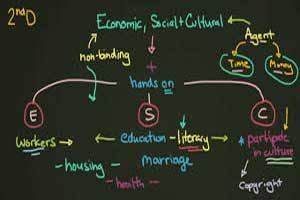
Focus Keywords: Justiciability of Economic Social and Cultural Rights The economic, social and cultural (ESC) rights remain much more debatable as to whether they should be contained in constitutions. According to conventional…
Read Article →